
Seasonal and Sustainable Eating: Local Produce Benefits
Understanding the advantages of consuming locally-sourced, seasonally-available produce
What is Seasonal Eating?
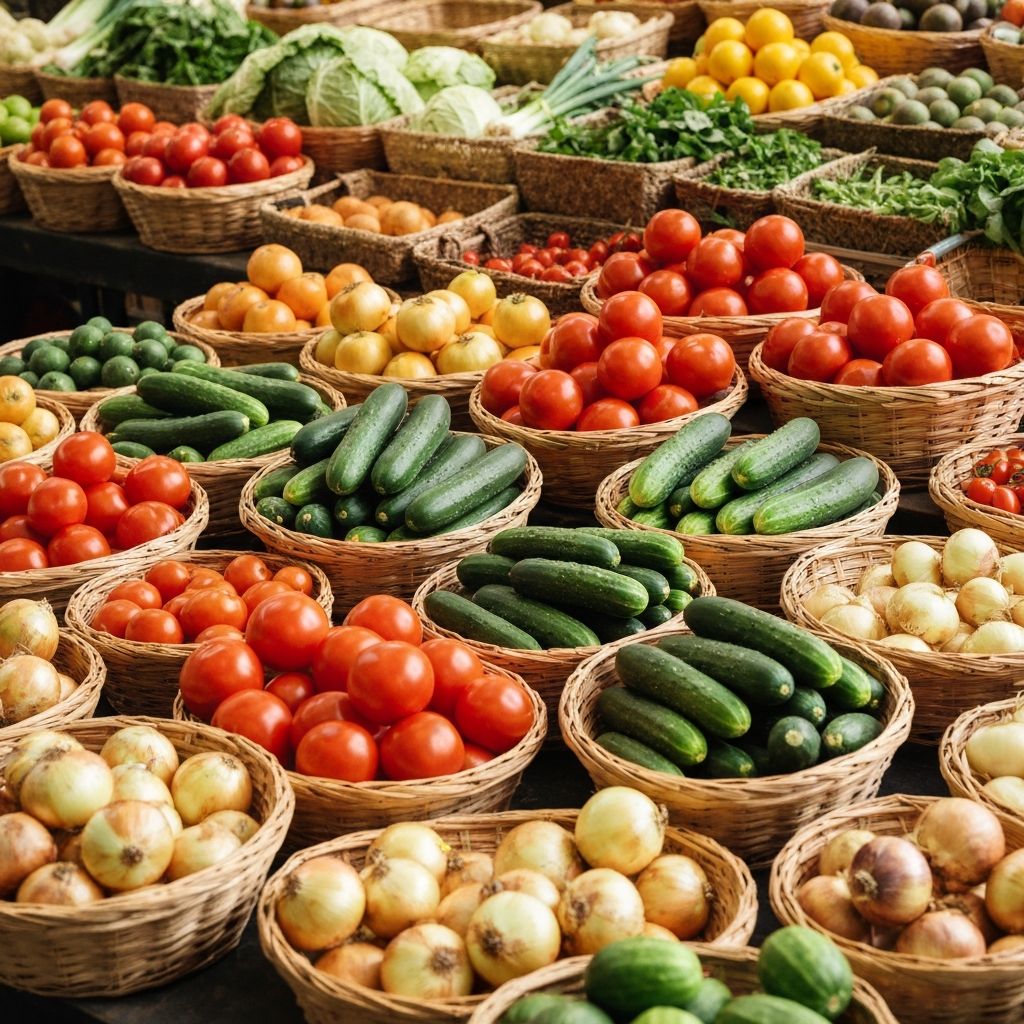
Seasonal eating means consuming foods during the time of year when they naturally grow and harvest in your local region. Strawberries in spring, tomatoes in summer, squash in fall, and root vegetables in winter—foods taste better and provide more nutrients when eaten in season. Traditional eating patterns across cultures were built around seasonal availability, evolving meals and foods based on what was growing at different times of year.
Nutritional Advantages of Seasonal Produce
Produce ripens on plants throughout the growing season, continuing to develop nutrients until harvest. Foods harvested at peak ripeness—when they're naturally available in your region—contain maximum nutrient density. In contrast, produce harvested early to withstand transportation and storage may have lower nutrient content and less developed flavor.
Additionally, seasonal produce doesn't require artificial ripening methods, pesticide treatments for long-distance transport, or extensive cold storage—all of which can affect nutrient availability and freshness.
Seasonal Produce Calendar
Spring: Asparagus, leafy greens, peas, strawberries, spring onions
Summer: Berries, stone fruits, tomatoes, cucumbers, peppers, zucchini
Fall: Apples, pears, squash, carrots, beets, grapes
Winter: Root vegetables, citrus, hardy greens, storage crops
(Specific availability varies by region)
Environmental Benefits
Seasonal, locally-sourced produce requires significantly less transportation, reducing fuel consumption and associated carbon emissions. Local production typically uses fewer chemical inputs than industrial agriculture requiring long-distance durability. Seasonal production aligns with natural growing cycles, reducing the energy required to extend growing seasons artificially.
Supporting local farmers promotes regional food systems less dependent on industrial agriculture and global supply chains. This builds resilience—communities with local food sources are less vulnerable to disruptions in global food systems.
Economic and Community Advantages
Purchasing from local farmers and farmers' markets keeps money within the community and directly supports agricultural producers. Local food systems create jobs and economic activity at the regional level rather than concentrating wealth in distant corporations.
Farmers' markets and local food systems create gathering spaces and community connection, fostering relationships between producers and consumers that are less possible in distant supply chains.
Taste and Culinary Advantages
Foods taste better when fresh and properly ripened. A tomato that ripened on the vine in summer has completely different flavor from one picked green and artificially ripened for winter availability. This superior taste encourages eating more vegetables and fruits, increasing nutritional intake.
Seasonal eating also encourages culinary variety and creativity. As different foods become available, cooking adapts and changes. Summer eating differs from winter eating, providing dietary variety across the year and preventing monotony.
Practical Seasonal Eating
Starting with seasonal eating can be simple:
- Shop at Farmers' Markets: Direct interaction with producers reveals what's currently growing and at peak ripeness
- Join a CSA (Community Supported Agriculture): Weekly or monthly boxes of seasonal local produce create automatic seasonal eating
- Shop Produce Sections Strategically: In grocery stores, seasonal items are typically the best value and quality
- Learn Your Region's Growing Season: Understanding what grows when in your area guides seasonal eating
- Experiment with Unfamiliar Seasonal Foods: Each season offers opportunities to try new produce
- Preserve or Store Seasonal Abundance: Freezing, canning, or storing seasonal produce extends availability
Seasonal Eating and Overall Nutrition
Beyond individual foods, seasonal eating promotes nutritional adequacy through natural variety. Spring brings fresh leafy greens and light vegetables. Summer provides fruits and tender vegetables rich in vitamins. Fall brings energy-dense squash and root vegetables. Winter provides stored crops and hardy vegetables. This natural rotation ensures diverse nutrient intake across the year.
Challenges and Considerations
Seasonal eating may require more planning and flexibility than year-round availability of all foods. Unfamiliar seasonal produce may require learning new preparation methods. Initial budget considerations might differ from standard grocery shopping, though long-term seasonal eating can actually reduce costs by eliminating expenses of air transport and artificial storage.
Integration with Broader Sustainability
Seasonal eating is one component of sustainable food systems. Combined with other practices—reducing processed foods, minimizing food waste, choosing plant-based meals more often, and supporting regenerative agricultural practices—seasonal eating contributes to a broader sustainable approach to eating.
Whether motivated by taste, nutrition, environmental concerns, or community connection, seasonal eating offers practical benefits while aligning personal food choices with natural cycles and regional agriculture.
Important Note: This article is for educational purposes, providing general information about seasonal eating. Individual dietary needs vary, and specific nutrition guidance should come from qualified healthcare providers or registered dietitians. This article does not constitute medical or nutritional advice.